September 4-week:
Memoir with a message:
a personal writing workshop
VIRTUAL: Tuesdays, October 28–November 18, 5–7pm PT / 8–10pm ET **except October 28th we will meet from 4-6pm PT / 7-9pm ET. Recordings are included with registration in advance; they will not be for sale after the fact. Please note that this class involves a lot of breakout-room exercises, so attending live sessions is highly recommended!
What do you need to say that no one else can say?
Whether you want to write personal essays, a manifesto, a memoir, a novel, or a blend, this course will give you the tools to:
Use personal story telling to impart a lesson
Feel ownership over your story
Feel freedom to interpret and rewrite “the truth of what happened” to find a deeper, shared human truth
Reduce imposter syndrome
Find what you’re trying to say that only you can say
Find / make meaning
Zoom out and see the events of your life as parts of a larger narrative
See your life as a work in and of itself
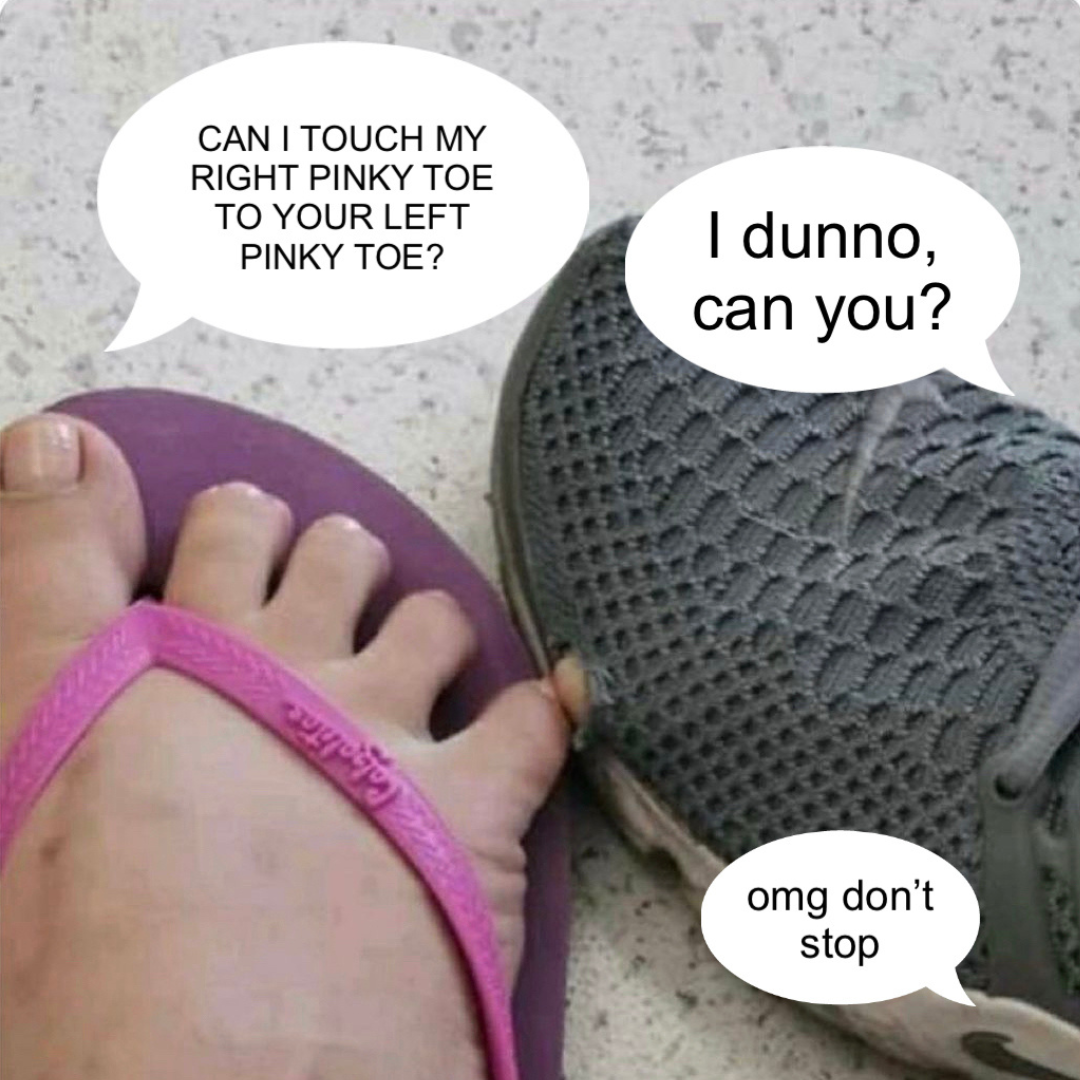
If you said it, you wrote it.
Is this class for you?
Whether you’re a seasoned writer, a cunning linguist, or a newb, if you want to find your sexy voice and figure out what you’re into, put words to it, and practice getting through the cringe and embarrassment with other people looking to do the same, this class will be a great fit for you.
You can write fiction or memoir in whatever style you like, though we will be focusing on prose.
“Say what you mean. Mean what you say.”
Is it truth or fiction? yep.
What will we be doing?
Each class will have an exercise and/or a prompt. You will write for 20 minutes, then share your piece in breakout rooms and discuss:
What did you see/hear/feel?
Share what you notice about what the person notices. Identify any desires (sexual desires, desires for a better world, desires for deeper connection, etc.) that come through in the writing.
Questions for the writer.
Questions for the reader.
Pitches: I’m wondering about…, I’d like more of…, Have you considered…?, or more specific pitches (with permission).
Next, we’ll spend 20 minutes editing. Then: Share again. Discuss again.
There will be optional homework reading and writing assignments.
In the final class, we will read as many pieces as we can with the whole group and share some feedback in the style above. By the end of class, you should have 3 rather polished pieces, and some new friends!
Hi, I’m Mia Schachter. I’m an author, multi-media artist, intimacy coordinator for TV, film, and theater, and Tinder’s Resident Consent Educator. It’s my mission to make consent education as digestible and widely available as possible so you can identify your desires, needs, and boundaries and authentically express them to others in your own unique voice.
My background as a writer—plays, music, prose, personal essay, books—is deeply informed by my work as a consent educator. We will use consent-based principles to gently work through creative blocks. We will use tools and exercises from my Unblocked course/method, which tackles perfectionism, people pleasing, inner critic, and imposter syndrome in your art.
You can read my writing here.
About me…

For example…
An excerpt from my book, Unsolicited Advice: A Consent Educator's (Canceled) Memoir, a consent manifesto told in memoir.
Recently I was at my parents’ house with my dog on a rainy day. We let her outside while the rain was stopped, so she could go to the bathroom. She came running back in, paws covered in mud, and before I could get her to wipe her paws, she’d run upstairs getting dirty paw prints all over the white carpeting up there. My instinct to blame came in fast.
“It’s my parents’ fault for getting white carpeting. Who gets white carpeting?? No, it’s the dog’s fault—she should know better. No she shouldn’t, she’s a dog. It’s the rain’s fault. Who do I talk to about the rain?” Wow. That’s a lot of blame looking for a place to land.
As I soon realized, a better use of my time was to strategize how to prevent such situations in the future. Wipes at the door, a towel on the floor.
Applying this preventative mindset to something as serious as sexual violence looks like recognizing where consent or sex education is necessary, if and when there was a misunderstanding, and what we can do to avoid such situations moving forward, rather than dwelling on who (or what) is to blame.
How do we expand our capacity to withstand the discomfort of wanting to blame and punish, so that we can empower ourselves to change things in the future? If we could stop looking for who to blame—because blame ultimately leads to punishment, and I don’t believe much in punishment—I think we’d spend more resources such as time, energy, and money figuring out how to support people who’ve experienced harm in finding healing and how, and more resources would go to forms of prevention like proper consent and sex education. There’s a drive to punish, to disappear people, as though this will lead to healing. It won’t. The alternative is abolition, is transformation, is empowerment. Searching for the truth, the single, universal, objective truth of what happened, I believe is a fool’s errand. Because at the end of the day, regardless of The Truth of what happened, the harm has occurred and we have to contend with that, move forward, heal, and support those who’ve been hurt in their healing. The unfortunate reality is that we can’t actually force anyone to take accountability for their actions. We can ask them to, we can hope they will, but we can’t control other people. We can, however, take control of our own healing.
“My approach is to zoom in, so we can slow down and begin to make the unconscious conscious.”
Register
Payment + Pricing
This class is $299. If you are in a country where the exchange rate makes this class financially inaccessible, you are welcome to make me an offer.
Please note: The deadline for refunds is 24 hours before the first class.